
"How did you get started in human-centered design?"
My path into design and the people who helped shape it

Before we get started, a quick 👋 hello and welcome to the 13 new subscribers new to the Learning, Designed community since I restarted this newsletter in November! 🙌
I’ve been humbled to hear from nearly a dozen of you in the last several weeks to share stories, explore opportunities, or just catch up. I can’t tell you how encouraging it is that posts are resonating, motivating, or at the very least, worth reading. Even better, I’m so glad that it’s allowed me to connect, or reconnect, with so many of you.
If you haven’t yet or are thinking about it, reach out, I’d love to hear what you’re up to— go ahead, hit reply! ↩
This weeks’ post is a bit of a deviation from my format so far, and slowly sort of crept up on me over the last few months. From formal events like the World Design Capital World Policy Conference, the Don Norman Design Awards, to local design Meetups and new consulting work with the San Diego County and Tijuana YMCA and United Nations Foundation, I’ve spent the last few months getting to know more and more folks in the design community both in San Diego and beyond.


Naturally, getting-to-know-you conversations have wandered into sharing about our paths into design and how and when we first were acquainted with this new way of thinking and approaching the world.
I’ve typically shared the story in brief, leaving out the details and people and moments of insight, but an email a few weeks ago prompted me to reflect more deeply on the choices, people, and moments that culminated into the new way of thinking I’ve integrated into all of my work since.
A fellow ‘alumni’ of the “Summer of Design” program in DC was curious to hear about the work I was doing today and the ways that experience helped fuel and influence my work since. They are creating a storytelling campaign about the program and the people behind it, and reflecting on the impact the experience had on me and my career, I enthusiastically agreed to help.
The reflection and conversation filled me with new insights on my path into design and gratitude for the many people who helped and supported me along the way. And following a season in my career where I’ve been able to connect with so many design leaders I admire, I’m acutely aware that it was the encouragement and sponsorship of those early design leaders that made any of it possible in the first place.
In fact, it’s hard to believe that it started almost a decade ago with an extended invitation from my (then) girlfriend, now wife, Grace, about an event her co-worker told her about. “My fun UX coworker invited me to a Jam this weekend, want to join?” Knowing Benno and always being up to learn something new, I discovered Service Design on the other side of that invitation, spending 48 hours with a group of 30 or so “Jammers” invested in “changing the world with design.” It was fun, casual, and after the 48-hour learn-by-doing crash course in the power of solving problems driven by human insight, I was hooked.
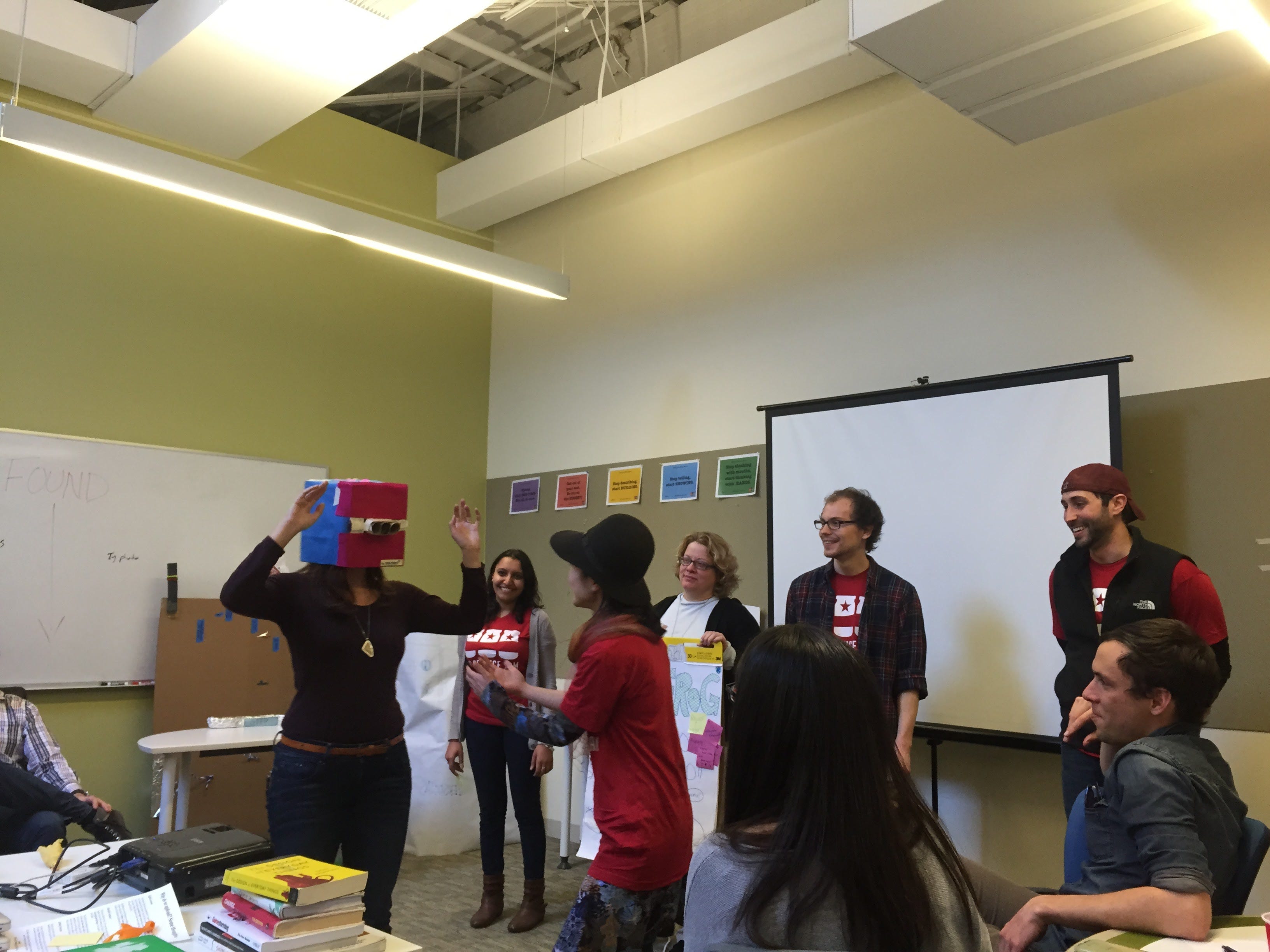
I started reading voraciously on design, listening to podcasts, and researching any organization who was working at the intersection of design and education— and found there was one right in my back yard in DC: The Education Design Lab.
I started regularly attending the DT:DC (design thinking: DC) meetup group with my now growing community of design colleagues in the DC area and slowly getting to know the prolific and friendly celebrity of design in DC, Karen Hold. A connector at heart and a teacher always, she created experiences that brought together the diverse design community through action, using design to learn with one another. DT:DC was a community platform that elevated design leaders, created space for newcomers, and offered opportunities to learn no matter your depth experience.
It was a refreshing environment in contrast to so many meetups I was attending as part of community engagement and marketing I was doing during that timeframe as the Director of the DC campus of a code school driven by purely social networking. By day I was connecting with students, leading site visits to local tech companies, connecting with Engineering leaders, and supporting the student experience despite moving the campus (seemingly) all over DC, and by night promoting and selling the benefits of code school to prospective students at community events.
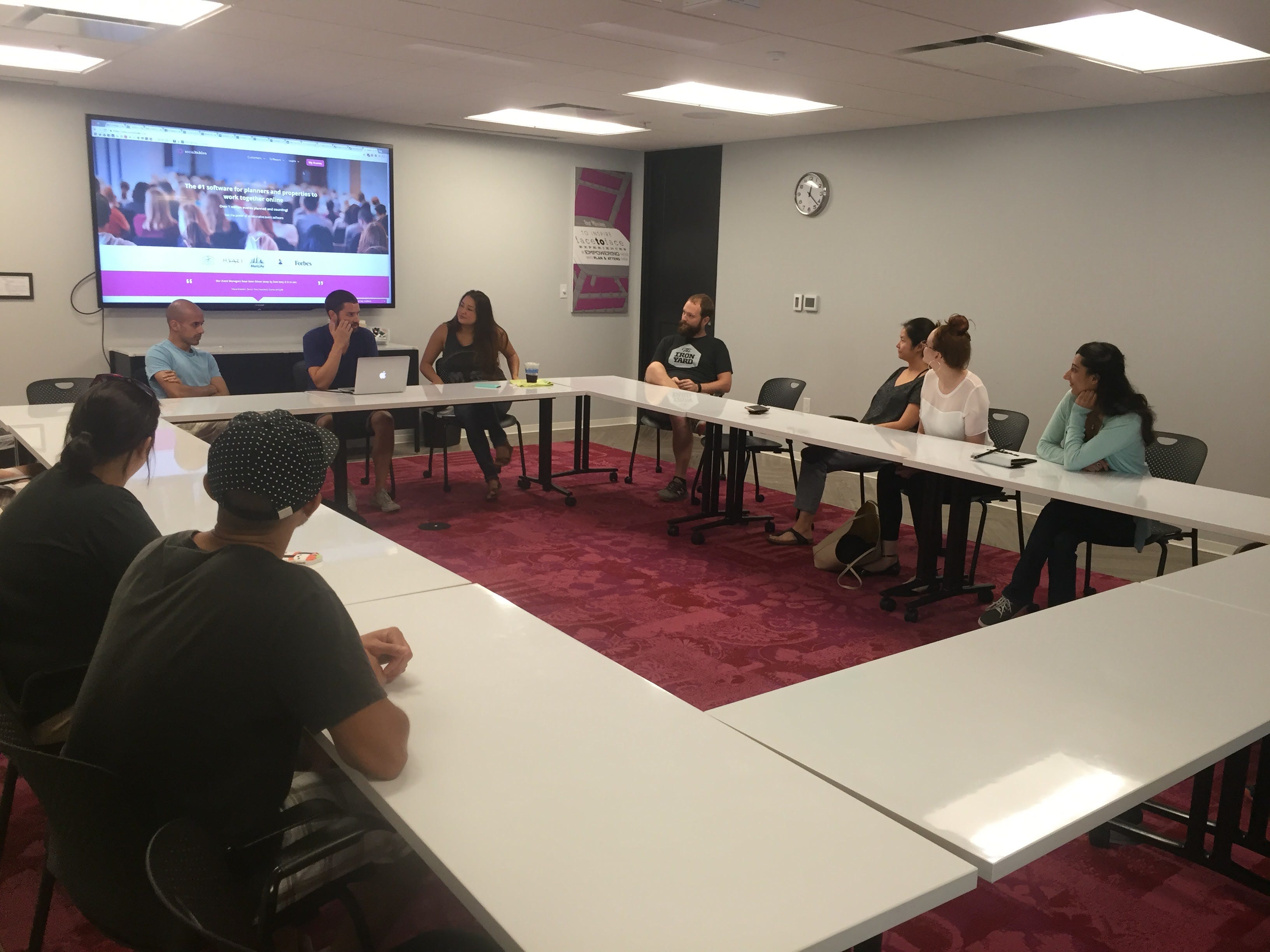
After months of overcoming my imposter syndrome as a “higher ed and coding bootcamp guy” at the design meetups, I will never forget being at the Fall DT:DC summit and recognizing that one of the leaders of the Education Design Lab was in attendance. I was talking with Karen and said “Dawan Stanford is standing right behind me and he works at a place I really want to work someday.” “Do you want to meet him?” she replied. Gushing with a mix of nerves, enthusiasm, and mustered courage, I said “Yes!”
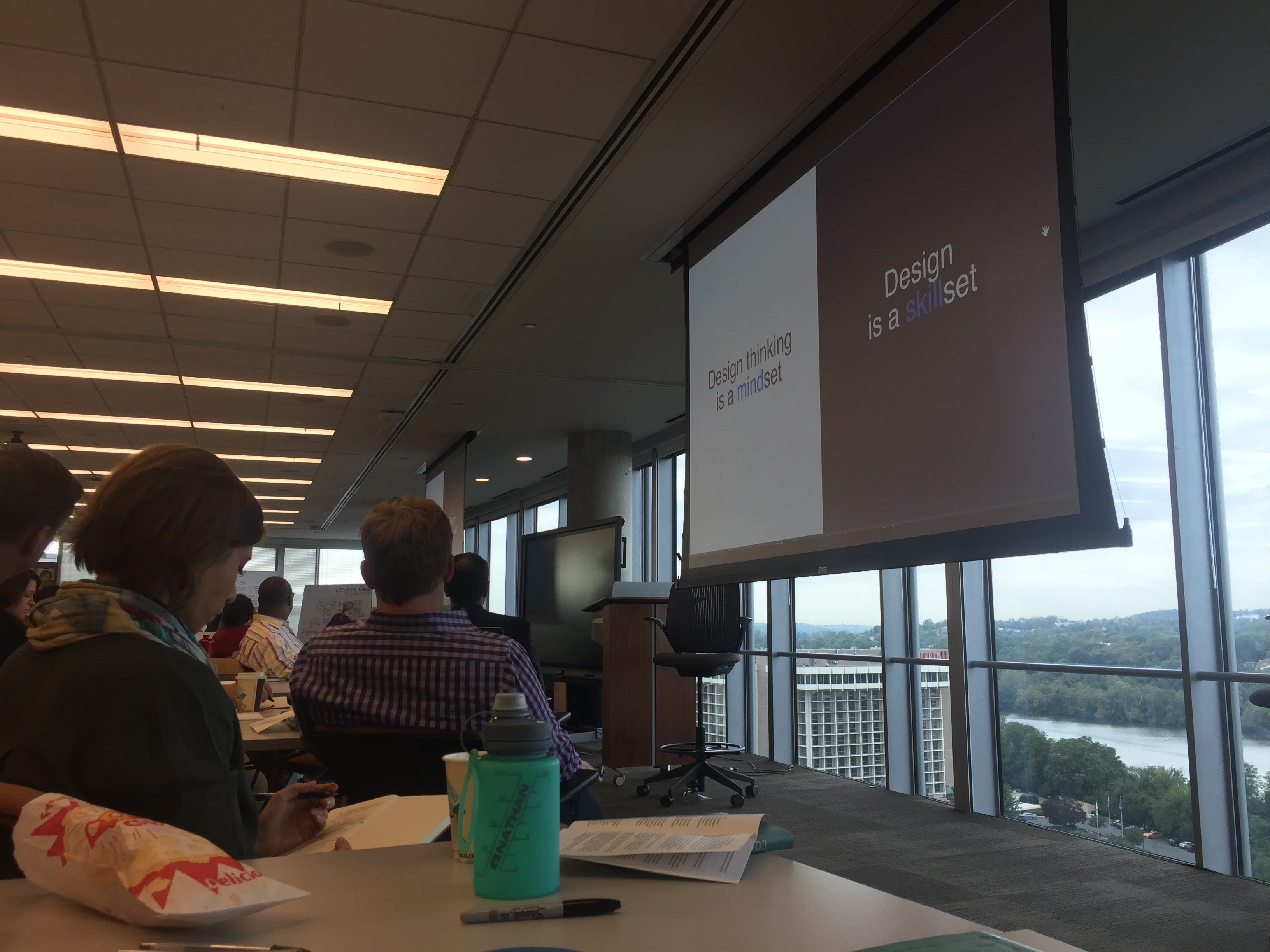
That introduction led to a fated lunch with Dawan talking all things higher education, theories of change and the power of design in helping shape a more equitable higher ed. I think I might have drowned Dawan in enthusiasm, but I guess he could see how desperately hungry I was to solve the kinds of problems the Lab was focused while learning design. As luck would have it, the timing seemed right for him to introduce me to the Lab’s founder, Kathleen.
Promoting my consulting background and experiences ranging from traditional higher education to bootcamps, I look back with so much appreciation for Kathleen taking a chance on this higher ed misfit who was ready to learn the ropes of design thinking, a core competency of leading the Labs work.
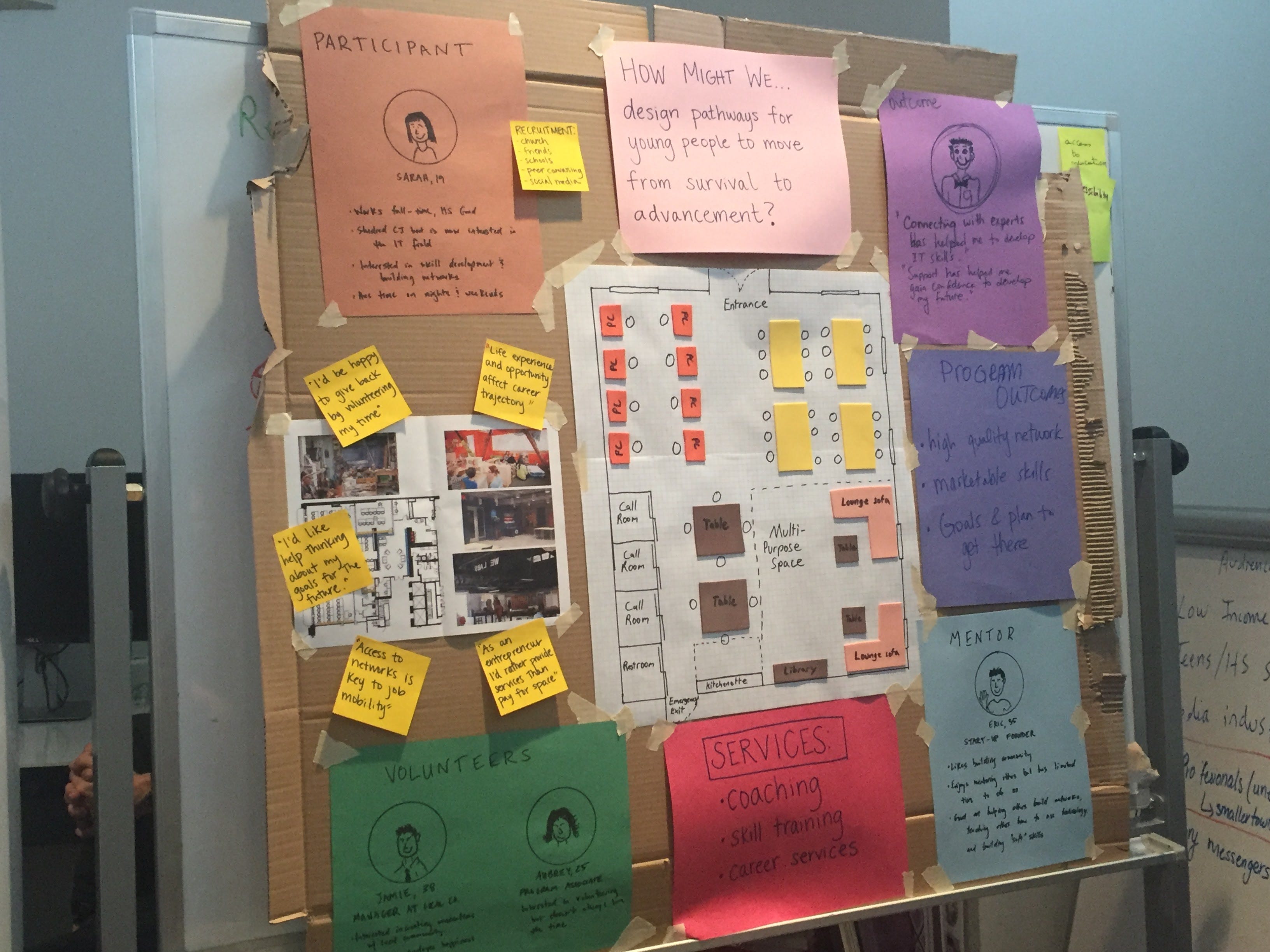
And I definitely “built the plane” of my design knowledge “while flying it.” After another Service Jam in 2017 and continued support from the local design community, I was ready to go deep into the learning the tools and methods of design.
After watching Grace complete Summer of Design in 2016, an applied laboratory for learning and doing design thinking with a real community partner on a live project partnered with the DT: DC meetup and the University of Virginia Darden School of Business, I knew my next step in learning. Apart from the unique collaboration of a University and a meetup group as inspiration for innovative models of learning, Summer of Design 2017 was a space for my intense design learning while leaning on my knowledge of higher ed. So many local design practitioners mentored me and our teams to help guide us through the beats of the design process and learn the ropes, and so many of their lessons and insights stick with me today.
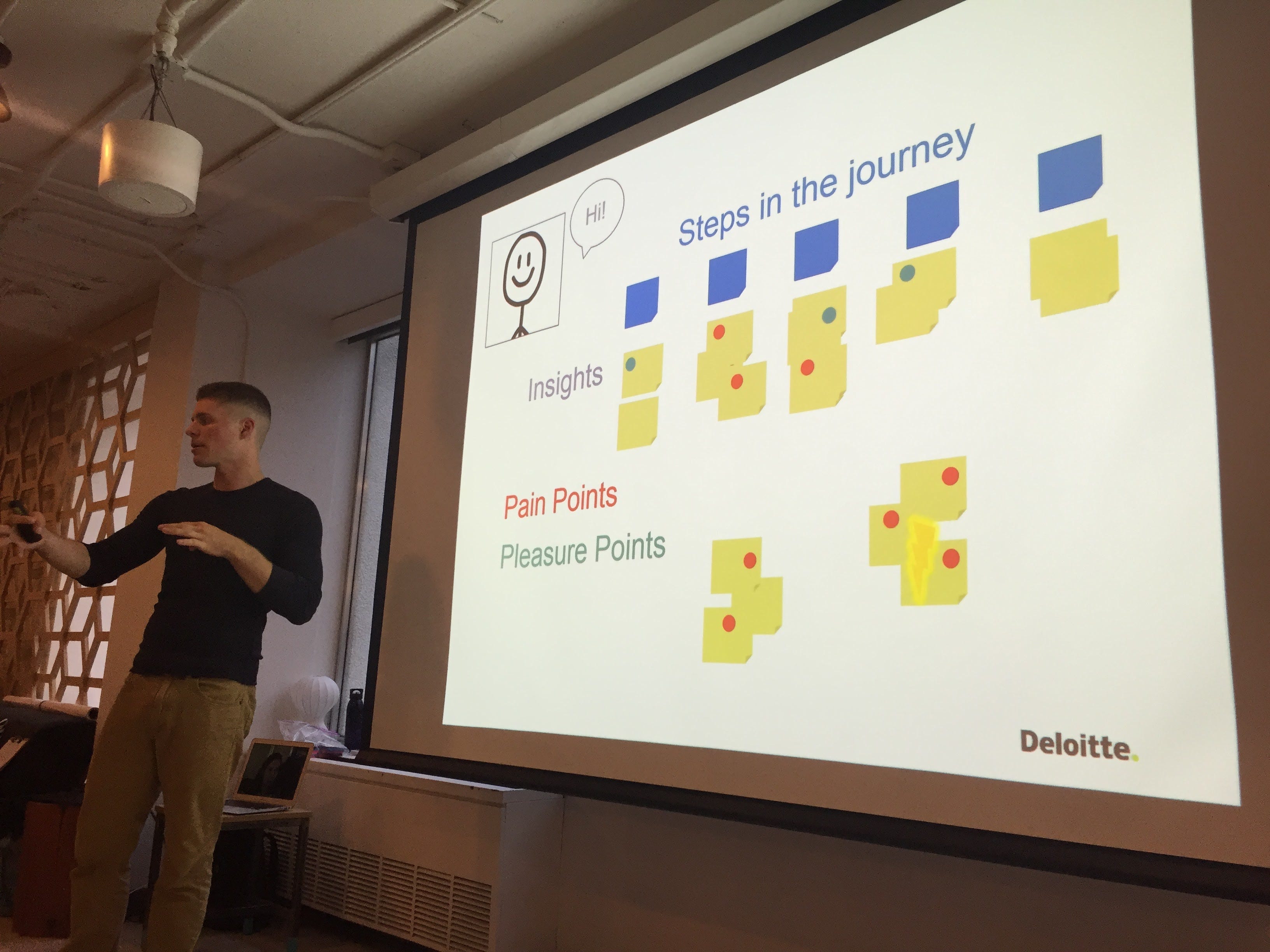
These experiences helped me understand the power of deep empathy, the discipline of the design process, the role of tools, and the value of learning through small experiments, tested deliberately over time.
With this foundation, the projects and a team at Education Design Lab, and eventually Intuit, gave me the spaces I could learn, do, grow, and accelerate my skills over dozens of projects. I taught and led design sessions with audiences ranging from university leaders, startups, philanthropic orgs, k-12 educators, students, and adult learners, CEOs, hiring managers, marketing, corporate learning teams, and community organizations (even church leaders). I learned to translate the language, process and methods I’d learned through experience to others who were just getting started.
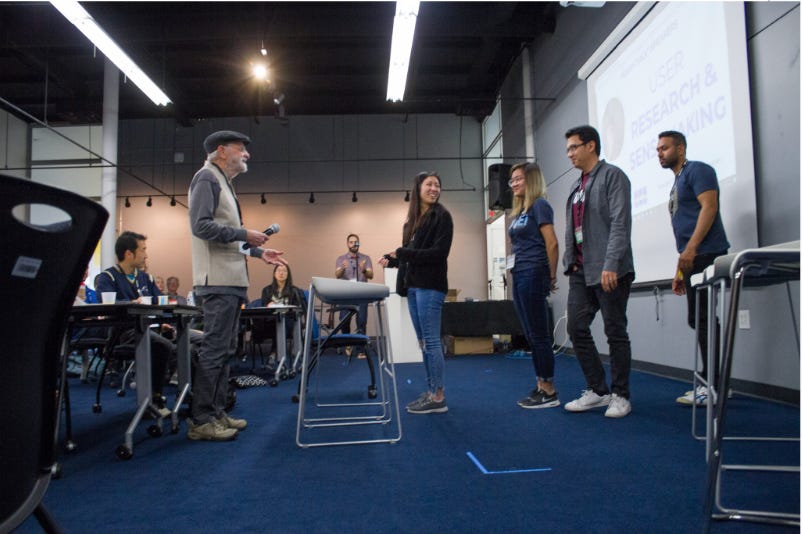
After that first Jam experience in 2016, I went on to be a coach and co-organizer for several Service Jams in DC and (the first ever!) in San Diego, featuring a true pioneer of design, Don Norman.
Reflecting on the journey overall, I think I’m especially passionate about making design accessible to anyone because I didn’t learn it through a “traditional” path— I learned from practitioners who volunteered their time to grow the design community, through real projects, by doing the work and making meaning from learning and testing “in the wild.”
Over the last several weeks I’ve spent time and energy in these posts talking about methods and referencing tools in the process. But if you’ve been reading and you’re overwhelmed or feeling that terrible mix of insecurity and anxiety that is imposter syndrome, my best advice (and hopefully the permission underlying my own journey) is to just dive in with practitioners who are willing to share their insight and try, test, and learn by doing. And if you need some help getting started or want me to run a session or project with your team, reach out and let’s work together!


By the way, the next Jam is coming in February 2025, so look one up in your local city, find some Jammers, and just get started. You never know where it will lead or who you’ll meet along the way. Grace and I are exploring organizing our next San Diego Service Jam over the next few months!
The best compliment you can give if you’re enjoying reading Learning, Designed is to share this post with someone who you think would benefit from it as well.