
Designing Better Career Conversations
What students learned from leaders navigating careers, uncertainty, and change

Why it matters:
Students are entering a world shaped by uncertainty, AI, and career paths that rarely unfold in straight lines.
But most career preparation still assumes students should already know where they’re headed.
This project became a reminder that meaningful guidance often starts with something much simpler: conversations, reflection, and the realization that even successful people are still figuring it out too.
Go deeper:
If you’ve been following Learning, Designed for a while, you’re familiar with “Insights from the Field,” a semi-regular section in 2025 that featured responses from leaders across education on driving change.
It created a great opportunity to connect across my network, source interesting perspectives, and highlight 20+ leaders I trust and value.
The summary of what I learned became one of my most popular posts ever.
But as a solopreneur managing across multiple projects and teams, more than once I cursed the pressure of filling this section of my newsletter.
In 2026, I chose a new direction. With the help of a group of Seniors in the business program at CSUSM, I ran an experiment through their Senior Experience Program, one that blended career development, applied research, networking, storytelling, and reflection into a single student experience.
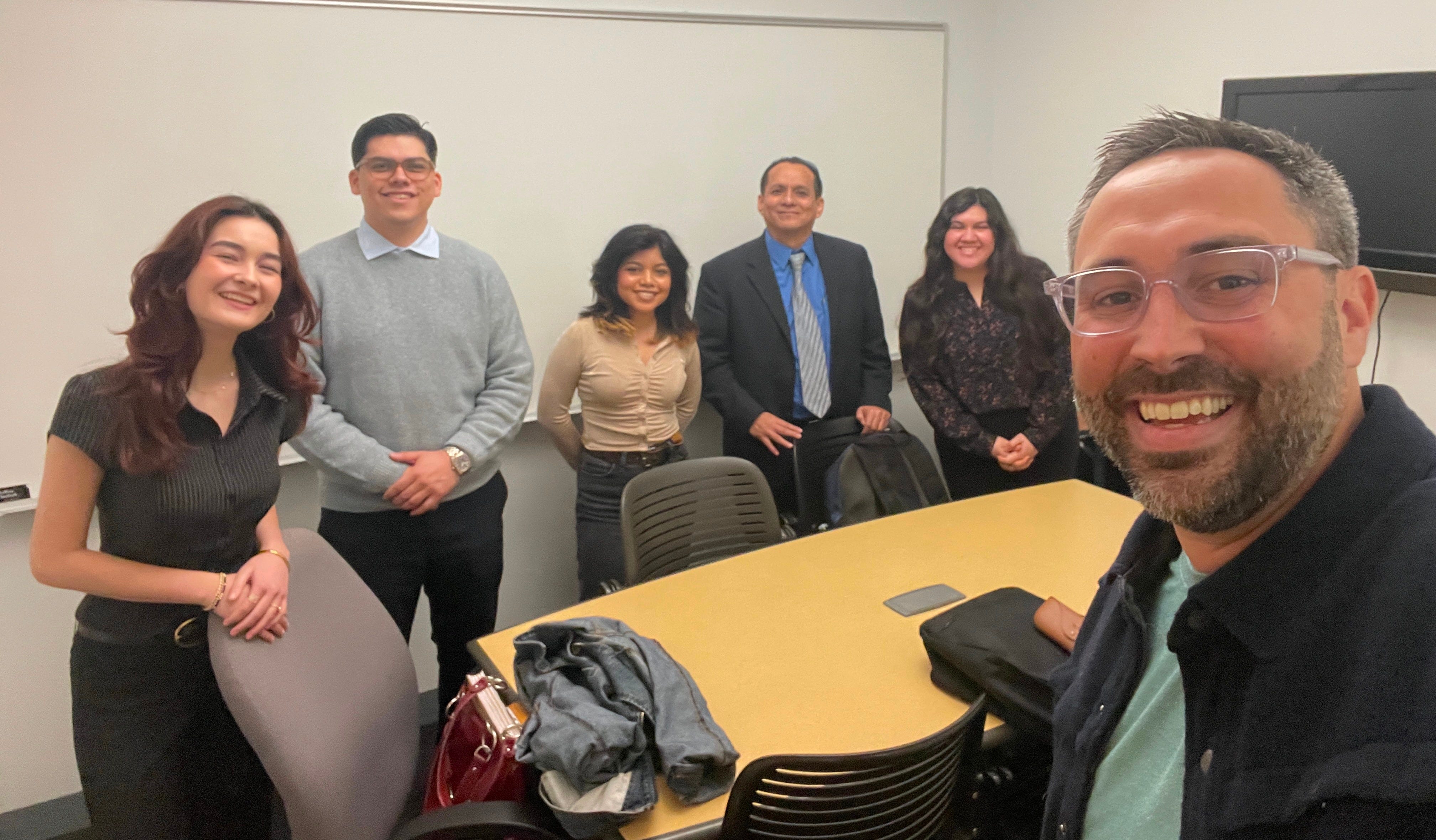
I scoped a real project that asked them to reach out, interview, track, collect and analyze interviews with a list of education, design, and workforce leaders: revered authors, university presidents, and thought leaders. I wasn’t shy.
After all, students in the BUSN 300 class I was coaching (sophomores and juniors) were doing informational interviews to help inform their career direction, so every business student has practice with the major beats of the project.
But I went a step deeper. I asked them to surface insights on launching meaningful lives in the age of AI through reflections from the leaders themselves; the stories that shaped their career and what they wished they had learned earlier. I even asked the team to track the response rates, communication effectiveness, and which methods converted to interviews.
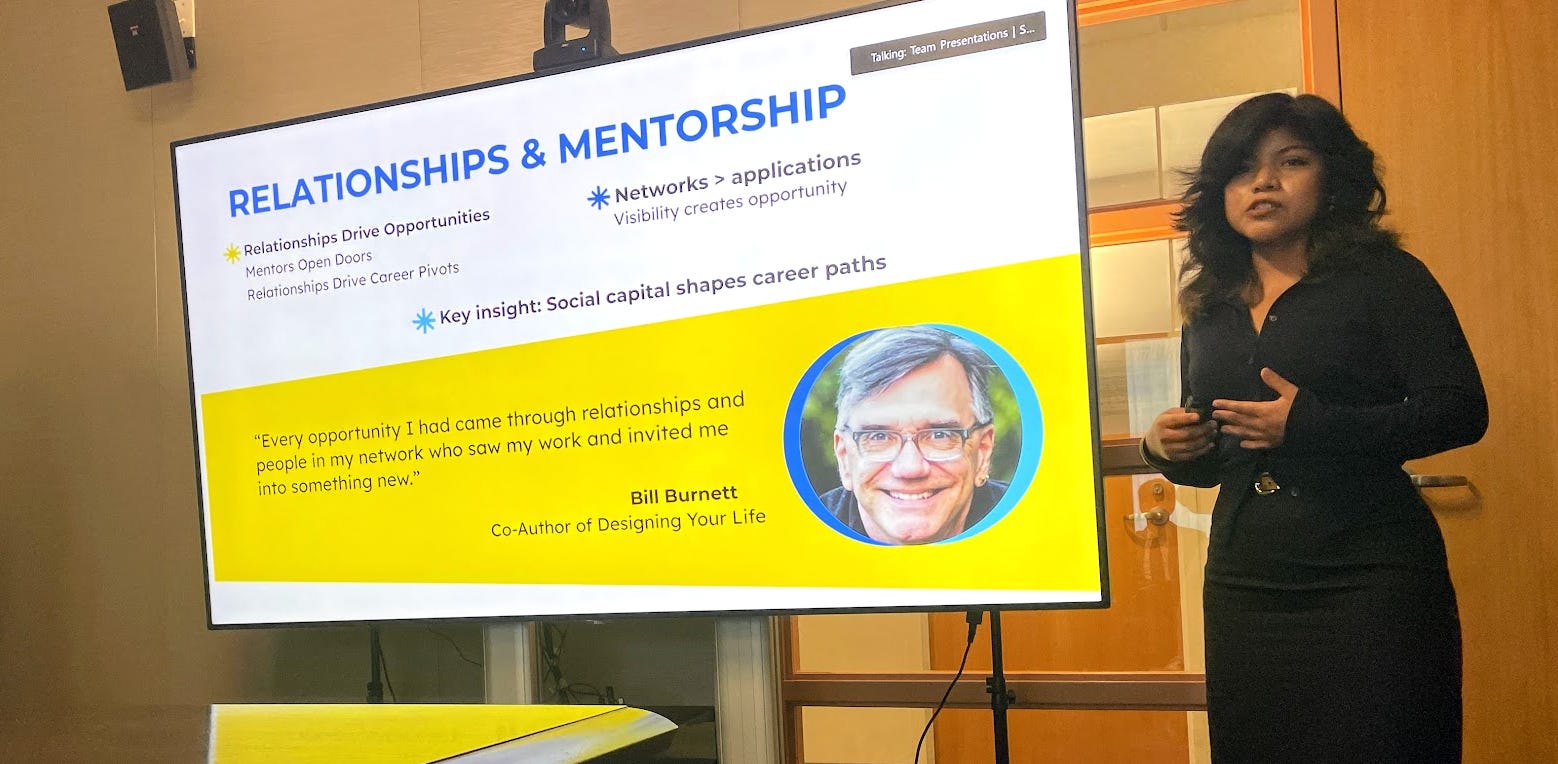
A few weeks ago, the team shared a brief summary into their results, which helped me understand how education leaders think about purpose and career formation as well as the most effective way to get in touch with leaders.
As I suspected, students surfaced valuable insights and interviewees were interested in the project and wanted to see the results (a good sign that this work is relevant to the field and the challenges we’re facing).
They interviewed 30 leaders and collected hundreds of quotes and insights from 15-min interviews that generously turned into longer conversations.
I’ll be sharing those results across the summer. This week, I’m starting with what the students described about their own transformation through the project.
I suspected students would benefit from the project, but I don’t think they fully understood how much until they experienced it themselves.
The project also reinforced something I’m increasingly convinced of in my work: students develop confidence and clarity faster when they’re engaged in meaningful work with real people, real stakes, and real reflection. And I’m bringing evidence.
When I asked for their reflections, they talked about how useful the guidance they learned from leaders was, and how they felt the investment in their success through the interviews themselves. It helped shape how they think about their career and alleviated some of the pressure to “have it all figured out.”
Student Reflections from Interviewing Leaders about Meaningful Work
Across the interviews, students consistently surfaced the same themes: uncertainty, adaptability, relationships, purpose, and the realization that meaningful careers are often discovered gradually rather than planned perfectly from the start.
Below are a few of the major themes the team shared from the project.
The Illusion We Have it All Figured Out
“Before these interviews, I honestly thought most successful people probably had everything figured out early on and just followed a plan step by step. But after talking to so many leaders, I realized almost nobody actually had a perfectly clear path.”
“One of the biggest takeaways from this project was realizing how uncertain and nonlinear career paths actually are, even for people who are considered highly successful. Before starting these interviews, many of us assumed that most leaders had a clear vision of what they wanted to do early on and simply followed a direct path to get there. Instead, we repeatedly heard stories about people changing directions, taking unexpected opportunities, failing, pivoting careers, and discovering meaningful work gradually over time.”
“A lot of leaders talked about taking opportunities they never originally planned for, and that really changed how I think about my own career. Before this project, I viewed careers as something more planned, but after hearing these interviews I think careers are much more about trying new things and getting experience.”
“I also noticed how often people talked about adapting when things didn’t go according to plan. A lot of interviewees ended up in careers they never originally expected. That honestly made me feel a little less pressure about needing everything figured out immediately after graduation.”
“I realized that people often discover their strengths through experiences, networking, and trying new opportunities. It made me feel more open-minded and excited about exploring different paths within marketing instead of feeling pressured to follow one exact route.”
A Broader Definition of Success
“One thing I kept thinking about during these interviews was how differently everyone defines success. I expected a lot of people to focus mostly on money, titles, or achievements, but honestly most of them talked more about purpose, balance, helping others, or just enjoying the work they do.
“I also think this project made me more reflective about what meaningful work actually means. A lot of the interviewees cared less about status or titles than I expected. They talked more about relationships, purpose, impact, and doing work that felt fulfilling. That really stuck with me and changed how I think about what I want from my own career moving forward.”
“That really changed the way I think about careers because it made me realize there’s not just one version of success. Some people found meaning through leadership, some through creativity, and some through relationships or mentorship. It made careers feel a lot more personal and less like there’s only one right way to succeed.”
The Reality of Uncertainty
“Hearing university presidents, executives, educators, entrepreneurs, and workforce leaders openly discuss uncertainty made career development feel more human and realistic. Rather than viewing successful careers as carefully planned journeys, we began to see them as evolving processes shaped by relationships, experiences, risk-taking, adaptability, and personal reflection.”
“Hearing university presidents and executives admit they still experienced uncertainty was honestly comforting. It made me feel less stressed about not having every detail of my future figured out right now.”
“I think the biggest thing I took away from this project was realizing how normal uncertainty actually is. A lot of the people we interviewed were super successful, but many of them admitted they had no clue what they wanted to do at different points in their lives.
Unexpected Career Skills: Networks + Storytelling
“The interviews also changed how I think about networking and mentorship. Almost every successful person we spoke to mentioned relationships or mentors who helped guide them. I actually looked back at myself for how valuable it is to have a career coach this past year and the difference it really did make for me. It made me realize how important it is to build connections and ask for advice rather than trying to figure everything out alone.”
“I honestly expected more people to focus on achievements or credentials, but a lot of them talked about authenticity and being able to communicate ideas well. It made me realize marketing is way more connected to human relationships than I originally thought.
“One thing that stood out to me in this project was how important communication and storytelling are in professional environments. Since I’m in marketing, it was really interesting hearing how many leaders talked about relationships, authenticity, and understanding people rather than just focusing on skills.”
“What surprised me most was how personal many of the interviews became. I expected people to mainly talk about achievements or accomplishments, but instead many of them focused on failure, uncertainty, and lessons they learned the hard way.
In a moment where students feel pressure to optimize every decision and “have a plan,” this project reminded me how powerful honest conversations, mentorship, and reflection can be.
Thank you to the hardworking, thoughtful, engaged, and bright students who dedicated this semester to helping Learning, Designed serve education.
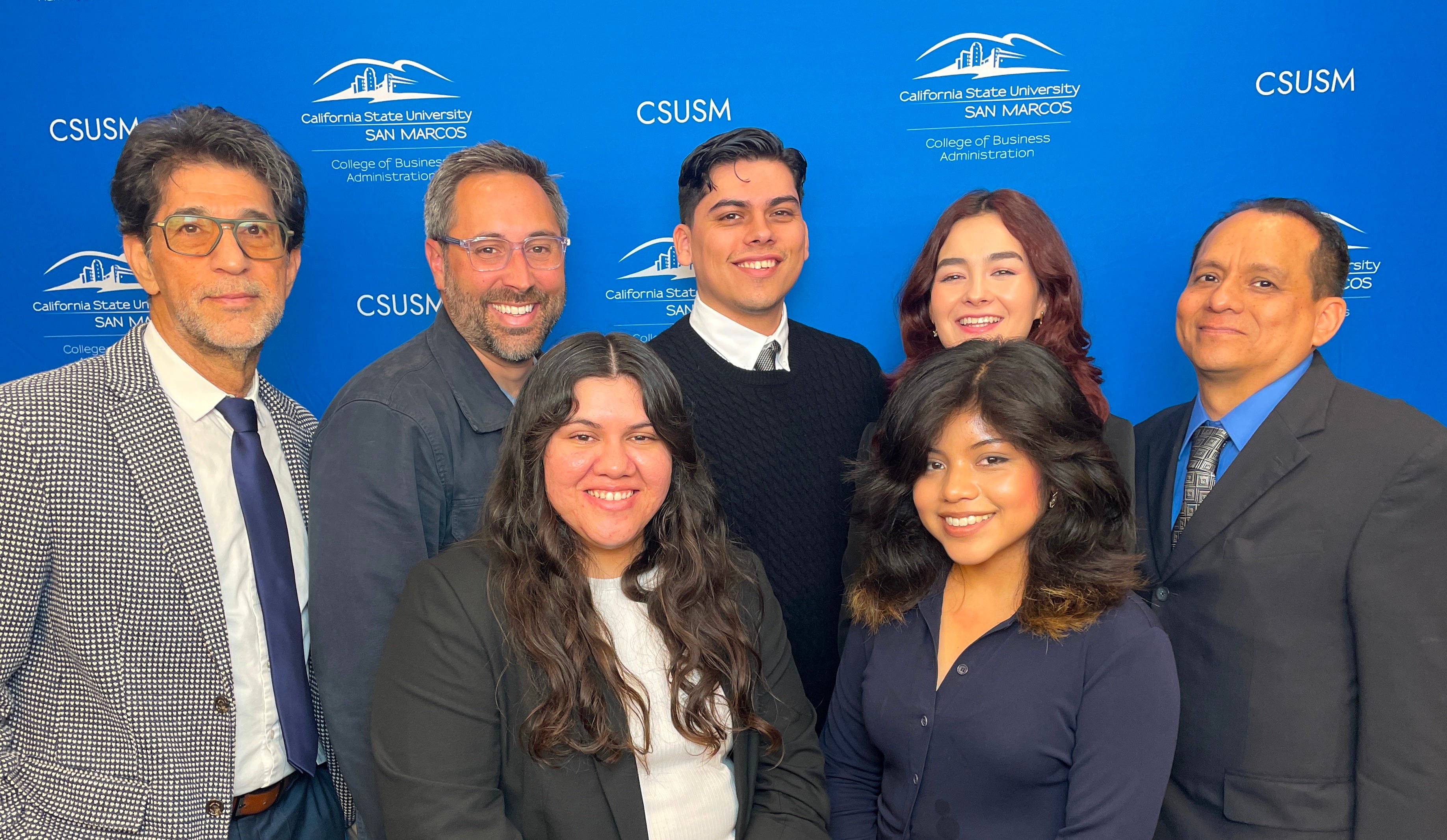
And for maximizing their own learning along the way. Grateful for your contributions,
Sarah Tapia, Daniel Ascencio Benitez, Ronnie Brill, Joseph Valadez, Edith Jeronimo
Going the extra mile for San Diego students with Project Next
This year I joined the Board of Project Next, a local education-to-work nonprofit that helps 1,000s of local students “find their next” after high school through programs like employer visits, 1-1 coaching, professional mentoring, thoughtful networking, and resume and interview prep. I wrote about my experience at a recent event here.
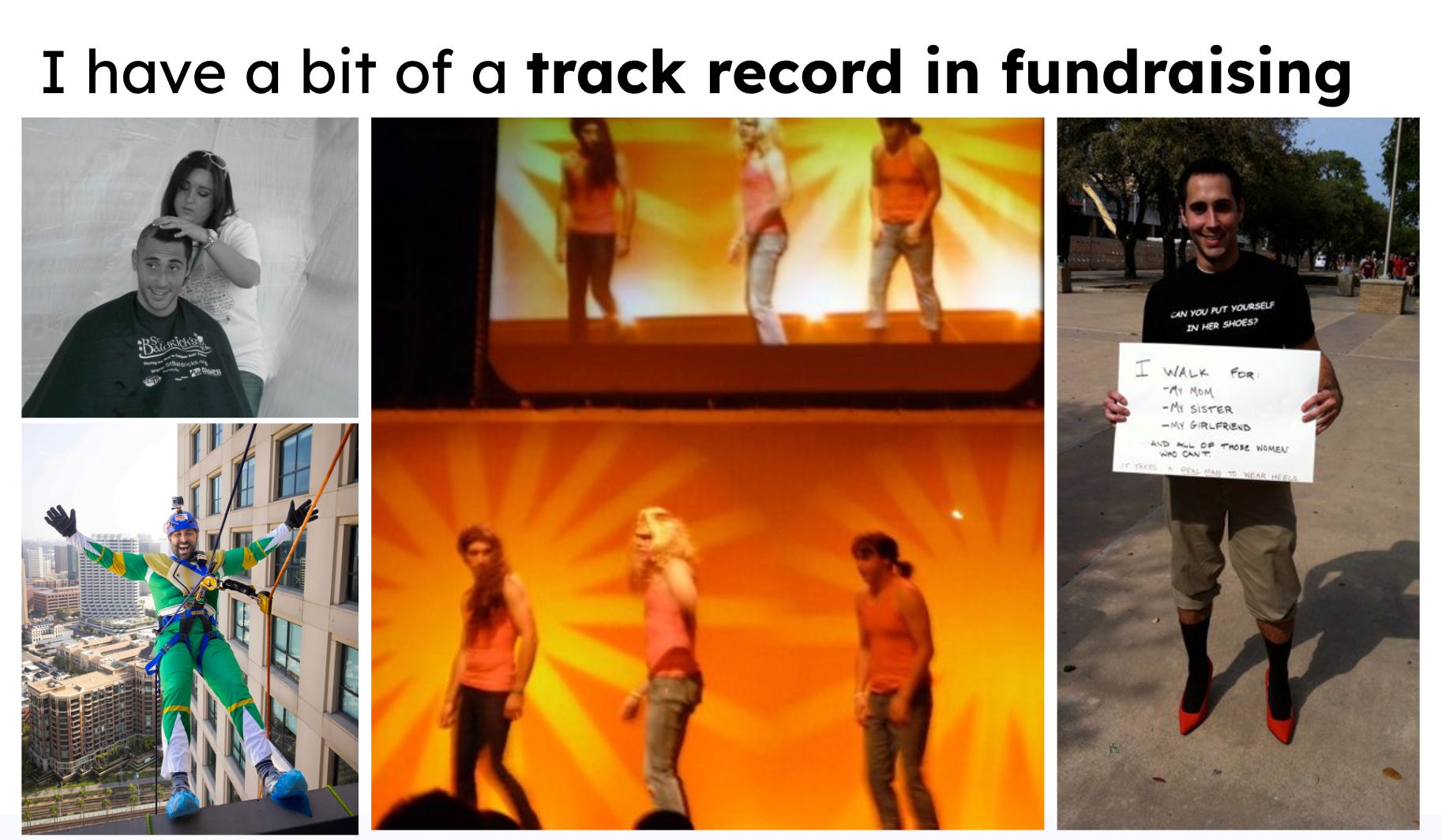
I’m running the Rock n Roll marathon in San Diego at the end of the month. I’ve partnered with Project Next for a fundraising campaign to “go the extra mile for our students,” and I’d love your support or help spreading the word. Check out the campaign (and past efforts for causes I care about, including shaving my head, walking in heels, rappelling a building, and dressing as Beyonce’s backup dancer).
Every gift helps ensure students have access to the guidance, experiences, and support they need to take their next step with confidence.
Sponsor a Mile or Pick my “last mile” outfit.
The largest donor will get to choose what I wear for the final mile of the race. I can’t wait to see how that turns out. Donate towards a mile, a per mile, or a one-time gift to support local high school students as they find their next.
*In the notes section, please check “write us a comment” and say “Supporting a Mile for Brian”
If this resonates, share it with someone building student-centered change. Share with colleagues or leaders you trust dedicated to driving change in education.
In learning,
Thank you for being part of this community of over 1,500 curious, creative, changemakers who believe we can improve the student experience through design.
Brian LeDuc is the founder of Learning, Designed, where he serves as a design strategist partnering with learning organizations to improve the learner experience and drive change co-designed with students, educators, communities, and employers.
Want to collaborate? I’d love to help your organization drive change using design through projects, keynotes, design sprints, workshops, and coaching. Learn more.